

If you feel you’re trapped in an abusive relationship with a U.S. citizen or lawful permanent resident, your immigration status doesn’t have to keep you there.
The Violence Against Women Act (VAWA) provides a critical pathway to legal, permanent residence without your abuser’s knowledge or consent. It takes courage to seek help, and we want you to know that there are people to help guide you through every step of the VAWA immigration process with compassion, confidentiality, and unwavering legal expertise.
Whether you’re currently married to your abuser, recently divorced, or facing deportation, you can build a strong case that protects your safety and secures your future in the United States.
What is VAWA? Understanding Your Rights as an Abuse Survivor

Congress passed the Violence Against Women Act in 1994 to address a dangerous power dynamic in U.S. immigration law. Under normal immigration procedures, your U.S. citizen or lawful permanent resident family member must sponsor your green card application (thus, they are very involved in the entire process).
For abuse survivors, however, this creates an impossible situation where leaving your abuser may mean losing your path to legal status.
VAWA changed that reality. This federal law allows certain abused spouses, children, and parents to petition for lawful immigration status independently. Your abuser never needs to know you’ve filed, and they have no control over your case.
Despite its name, VAWA protection extends to survivors of all genders. Both males and females can qualify for immigration relief under VAWA if they meet the eligibility requirements.
There are three primary VAWA immigration scenarios most people fall under:
- Already Have a Green Card (Conditional on Staying Married)
During the 90-day window preceding the expiration of a two-year conditional green card, you need to apply for removal of condition. This is a huge issue for those who find themselves in an abusive relationship, because they may not be able to safely stay in the relationship, or the abusive spouse may not cooperate with the normal joint filing process. The removal of condition requires filing Form I-751 with a battered spouse waiver instead of the standard joint petition. - Starting the Immigration Process
Your abusive relationship prevents you from applying under normal immigration rules because your abuser refuses to sponsor you or uses immigration status as a tool of control. You’ll file Form I-360 to petition for legal status without your abuser’s participation. - Already in Removal Proceedings
You’re facing deportation from the United States and need to petition the immigration court to let you stay based on your abusive relationship. Even if removal proceedings have begun, VAWA can provide relief if you qualify.
Who is VAWA For? (& 3 Requirements to Prove Eligibility)

VAWA petitions aren’t available to everyone experiencing domestic violence. You must demonstrate specific relationships, residency requirements, and evidence of abuse.
- Current or Former Spouse or Parent of U.S. Citizen or Green Card Holder; Or a Parent of a U.S. Citizen
Your relationship to the abuser must fall into qualifying categories. As a spouse, you can file if you’re currently married to or were previously married to a U.S. citizen or lawful permanent resident who abused you, including marriages that ended in divorce or annulment within the two-year period prior to the date of filing.Children under 21 who are unmarried can petition if abused by a U.S. citizen or lawful permanent resident parent. In some cases, children between 21 and 25 may still qualify if the abuse was the primary reason they didn’t file earlier, but a person in this category must work with an experienced attorney who can make the appropriate argument in favor of that exception. Parents can petition if abused by their U.S. citizen son or daughter who is at least 21 years old (this option is only available if the abusive child is a U.S. citizen, not a lawful permanent resident).You must also prove you resided with the abuser at some point. Lease agreements, utility bills, mail addressed to both of you at the same location, and witness statements can establish shared residence.
- No Criminal Record or Good Moral Character
VAWA requires you to demonstrate good moral character. Serious criminal convictions can complicate your case, but if criminal acts were connected to the abuse you suffered, USCIS may waive certain inadmissibility grounds. Minor infractions like traffic tickets typically won’t disqualify you.
- Victim of Battery or Extreme Cruelty
This is often the most challenging element to prove, but it’s where Lightman Law’s experience makes the greatest difference. Battery and extreme cruelty have broad definitions under immigration law that encompass much more than physical violence alone.
Recognizing & Reporting Battery or Extreme Cruelty in Your Situation: 5 Types
Battery or extreme cruelty takes many forms, and USCIS evaluates evidence based on the totality of circumstances rather than requiring specific types of abuse. If there isn’t clear evidence of abuse, immigration officials will naturally be skeptical, which is why comprehensive documentation matters so much.
- Physical Abuse
Any unwanted physical contact, hitting, slapping, choking, pushing, hair pulling, or use of weapons constitutes battery. Physical abuse also includes forced detention or preventing you from leaving the home. - Sexual Abuse
Forced sexual acts, rape within marriage, molestation, incest, or coercing you into prostitution all qualify as extreme cruelty. U.S. law clearly recognizes that consent is required even between married partners. - Mental and Psychological Abuse
Extreme cruelty includes threats of physical harm, constant insults and humiliation, isolating you from friends and family, and destroying your belongings or important documents. Psychological abuse often involves your abuser threatening to have you deported or threatening to take your children away. - Economic Abuse
Controlling all financial resources, preventing you from working, forcing you to work and taking your earnings, or sabotaging your employment may be recognized under VAWA, depending on the particular circumstances. - Threatening Actions
Even if your abuser hasn’t physically harmed you yet, threats of violence that cause you to fear serious injury qualify. This includes displaying weapons, destroying property in front of you, or harming pets to intimidate you.
What Is Considered Substantial Proof? 6 Ways to Consider
The Department of Homeland Security will consider any credible evidence you provide. VAWA cases use a more flexible evidentiary standard because abusers often control or destroy important documents. You don’t need police reports to qualify, though they certainly strengthen your case.
- Written Testimonies From Authority Figures
Letters from domestic violence counselors, therapists, social workers, religious leaders, and social service providers can carry significant weight. - Police Reports & Court Records
Any documentation of 911 calls, police responses, arrest records of your abuser, orders of protection, or restraining orders can provide powerful objective evidence. However, the absence of police reports doesn’t disqualify you. - Medical Records
Hospital records, emergency room visits, photographs of injuries, and written statements from doctors or nurses who treated you all help establish a pattern of abuse. Mental health records documenting anxiety, depression, or PTSD may be equally valuable. - Your Written Testimonies & Those of Other Witnesses
Your own detailed personal statement may also serve as compelling evidence. Describe specific incidents with as much detail as possible, including dates, locations, what happened, and how the abuse affected you. - Detailed Therapy or Psychological Evaluations
Professional psychological evaluations can document the mental and emotional impact of abuse. These evaluations carry particular weight when they come from licensed mental health professionals with expertise in domestic violence. - Additional Supporting Documentation
Text messages, emails, voicemails, photographs of damaged property, evidence of economic control, documentation of threats to withdraw immigration sponsorship, and any other materials demonstrating the pattern of abuse should be included.
The 4 Step Process to Apply Under the VAWA Process

The VAWA application process has specific requirements depending on whether you’re starting from scratch or already have conditional permanent residence. Lightman Law can guide you through each stage, ensuring your petition is complete and filed correctly.
- Submit Petition & Eligibility Evidence:
Your first step is determining which form applies to your situation and gathering all required eligibility evidence.- Form I-360 If you don’t have a green card yet, you’ll file Form I-360, Petition for Amerasian, Widow(er), or Special Immigrant. This form begins your VAWA petition and must include all evidence establishing your qualifying relationship, shared residence, good moral character, and battery or extreme cruelty. Even if your I-360 is approved, you’ll still need to file a separate green card application (Form I-485) to actually obtain lawful permanent residence.
- Form I-751 If you already have conditional permanent residence based on your marriage and need removal of conditions, you’ll file Form I-751, Petition to Remove Conditions on Residence. Instead of filing jointly with your spouse as normally required, you’ll request a waiver of the joint filing requirement based on battery or extreme cruelty. (This can be filed at any time after you receive conditional residence, not just during the normal 90-day window before your conditional status expires.) All eligibility evidence must be attached to your petition. This includes proof of your relationship to the abuser (marriage certificate, birth certificate), evidence of your abuser’s U.S. citizenship or lawful permanent resident status, documentation of shared residence, evidence of battery or extreme cruelty, and proof of good moral character.
- Participate in an Eligibility Interview
If you receive an interview notice, you must attend. Failure to appear can result in denial of your petition. - If You Filed I-360, Complete the Green Card Application (Form I-485)
Once your Form I-360 VAWA petition is approved, you can move forward with your green card application by filing Form I-485. If you’re the immediate relative of a U.S. citizen (spouse, parent, or child), a visa is immediately available to you, which means that as an alternative strategy to first filing the I-360 and then after approval, file the I-485, you can file Forms I-360 and I-485 together. You should speak to an experienced immigration attorney to decide which strategy makes more sense in your case. If your abuser is a lawful permanent resident rather than a U.S. citizen, you may need to wait for a visa to become available before you can file Form I-485. During this waiting period, you can work legally if you’ve obtained work authorization. - Prepare Yourself to Be Patient
VAWA cases can take several years from start to finish. Current processing times vary by service center and case type. The Vermont Service Center processes most VAWA petitions, and processing times currently range from 18 to 34 months or more. While waiting is frustrating, use this time to maintain detailed records of any ongoing abuse and keep USCIS informed of any address changes.
Need Assistance to Obtain Legal Status? We Can Help
At Lightman Law, we’ve helped many abuse survivors secure legal permanent residence through VAWA. Our multilingual immigration attorneys understand the unique challenges you face and know how to present your case for the best possible outcome.
We handle every aspect of your VAWA petition, from initial eligibility assessment through final green card approval. You’ll never face this process alone.
Contact us today for a confidential consultation.
How VAWA Affords Protection for Your Family (Not Just Yourself)

VAWA protection can extend to your minor children, even if they weren’t directly abused. If your VAWA petition is approved, your unmarried children under 21 years old may be included as derivative beneficiaries.
Derivative beneficiaries receive the same immigration classification and priority date as you, and they’re eligible to apply for lawful permanent residence when a visa becomes available.
Children born after you file your VAWA petition can also be included as derivatives. This ensures your entire family can remain together legally in the United States.
If a child is approaching their 21st birthday, the Child Status Protection Act (CSPA) may allow them to remain classified as a child for immigration purposes even after turning 21, depending on the specific timing of your case and visa availability.
The Top 6 Required Forms & Supporting Documents to Know
Understanding which forms apply to your situation prevents costly delays and mistakes. Here are the primary immigration forms used in VAWA cases:
| Form | Use |
| I-360 Form | Petition for Amerasian, Widow(er), or Special Immigrant. This is the primary VAWA petition form used when you don’t yet have a green card. There is no filing fee for Form I-360 when filed as a VAWA petition. |
| I-751 Form | Petition to Remove Conditions on Residence. File this form if you already have conditional permanent residence based on marriage and need to remove conditions without your abusive spouse’s cooperation. As of April 1, 2024, there is no filing fee when requesting an abuse waiver with Form I-751. |
| I-485 Form | Application to Register Permanent Residence or Adjust Status. After your I-360 is approved and a visa is available, file this form to actually obtain your green card. Filing fees apply unless you qualify for a fee waiver. |
| I-765 Form | Application for Employment Authorization. File this form to obtain a work permit. After your I-360 is approved, you’re automatically eligible for employment authorization. |
| I-601 Form | Application for Waiver of Grounds of Inadmissibility. If you have immigration violations or certain criminal history, you may need to file this form to request a waiver. VAWA petitioners have access to more generous waiver provisions, and many inadmissibility grounds can be waived if they’re connected to the abuse you suffered. |
Concerned about the Interview? Here’s 8 Tips to Prepare if You Have One

Some VAWA petitions are approved without an interview. If USCIS does schedule an interview, here’s how to prepare:
- Review your petition and supporting documents thoroughly
Refresh your memory on everything you submitted. Inconsistencies between your interview testimony and submitted documents can raise red flags.
- Bring additional evidence because time has passed since filing
If significant time has elapsed, bring updated documentation like recent protective orders, new medical records, or additional therapy notes.
- Arrange for a neutral interpreter of no relation
If you’re not fluent in English, you will need to bring your own. The interpreter must be neutral and cannot be related to you.
- Prepare to discuss the timeline of your relationship
The officer will likely ask about when you met your abuser, when the relationship began, when abuse started, and specific abusive incidents. Practice explaining these details calmly.
- Consider bringing your immigration lawyer
You have the right to have your attorney present during your VAWA interview. Having an experienced attorney present ensures your rights are protected.
- Practice discussing sensitive details calmly
Talking about abuse is emotionally difficult, but remaining as calm and clear as possible helps the officer understand your situation.
- Know that inconsistencies must be explained logically and thoroughly
Even small or minor contradictions can damage your credibility. Be honest if you made an error in your petition.
- Answer only what is asked without volunteering unnecessary information
Listen carefully to each question and answer it directly without rambling. Immigration officers appreciate clear, focused responses.
After Your Petition Approval: 3 Benefits of Prima Facie Determination
If you filed Form I-360 and are starting from scratch (without a green card yet), USCIS may issue a prima facie determination notice before your final approval. Prima facie is a Latin term meaning “at first glance.”
This notice indicates that USCIS has reviewed your initial evidence and determined it appears credible. A prima facie determination is not final approval, but it triggers important benefits while your case continues to be processed:
- Work authorization (by filing Form I-765)
Once you receive your prima facie determination, you become eligible to apply for an Employment Authorization Document (EAD) by filing Form I-765. This allows you to work legally in the United States while your case is pending. - Prima facie determination is the government acknowledging there appears to be something here
The notice itself validates that your evidence of abuse is credible and that you appear to meet basic eligibility requirements. This can provide peace of mind during the long waiting period. - Eligibility for state and local support services
Many domestic violence shelters, legal aid organizations, and victim services programs require proof that you’re pursuing immigration relief. A prima facie determination may satisfy this requirement and may help you access certain local services such as safe housing, counseling, and legal assistance.
6 Answered Questions About the Violence Against Women Act
Here are answers to the most common concerns we hear from clients considering VAWA petitions.
- How long does it take to receive an approval notice after filing?
Processing times vary significantly by service center and case complexity. Currently, Form I-360 VAWA petitions are taking between 18 and 34 months to process at the Vermont Service Center. If you file Form I-485 concurrently or after approval, add another 12 to 24 months. You may receive a prima facie determination within 6 to 12 months of filing.
- Can I travel outside the United States while my petition is pending?
If your VAWA petition is pending but you haven’t filed for adjustment of status, leaving the United States can be risky and may be considered abandonment of your case. Once you file Form I-485, you absolutely cannot travel internationally without first obtaining advance parole by filing Form I-131. Consult with your immigration attorney before making any international travel plans.
- Will my abuser be notified when I file for protection?
No. VAWA contains strict confidentiality provisions under 8 U.S.C. Section 1367 that prohibit USCIS and other Department of Homeland Security agencies from disclosing any information about your VAWA petition to your abuser or any third parties. Your privacy is protected throughout the entire process.
- What happens if I’m already in removal proceedings?
You can still apply for VAWA protection even if removal proceedings have been initiated. There are two potential paths: 1) you can request VAWA cancellation of removal directly before the immigration judge. Or 2) there may be another option wherein you file a VAWA petition with USCIS and ask the immigration judge to administratively close the removal proceedings while that petition is pending.
The most important point is that time is critical when removal proceedings have begun.
- Do I need to pay a filing fee for my petition?
Form I-360 VAWA petitions have no filing fee. Form I-751 petitions requesting a waiver based on battery or extreme cruelty also have no filing fee as of April 1, 2024. However, Form I-485 (adjustment of status) and Form I-765 (work permit) do require filing fees unless you qualify for a fee waiver.
- What if my case is denied? Can I appeal it?
If USCIS denies your VAWA petition, you generally cannot file an appeal. However, you can file a motion to reopen or motion to reconsider if you have new evidence or can demonstrate USCIS made a legal error. You may also be able to file a new VAWA petition with stronger evidence.
Take the First Step Toward Safer & Lawful Living
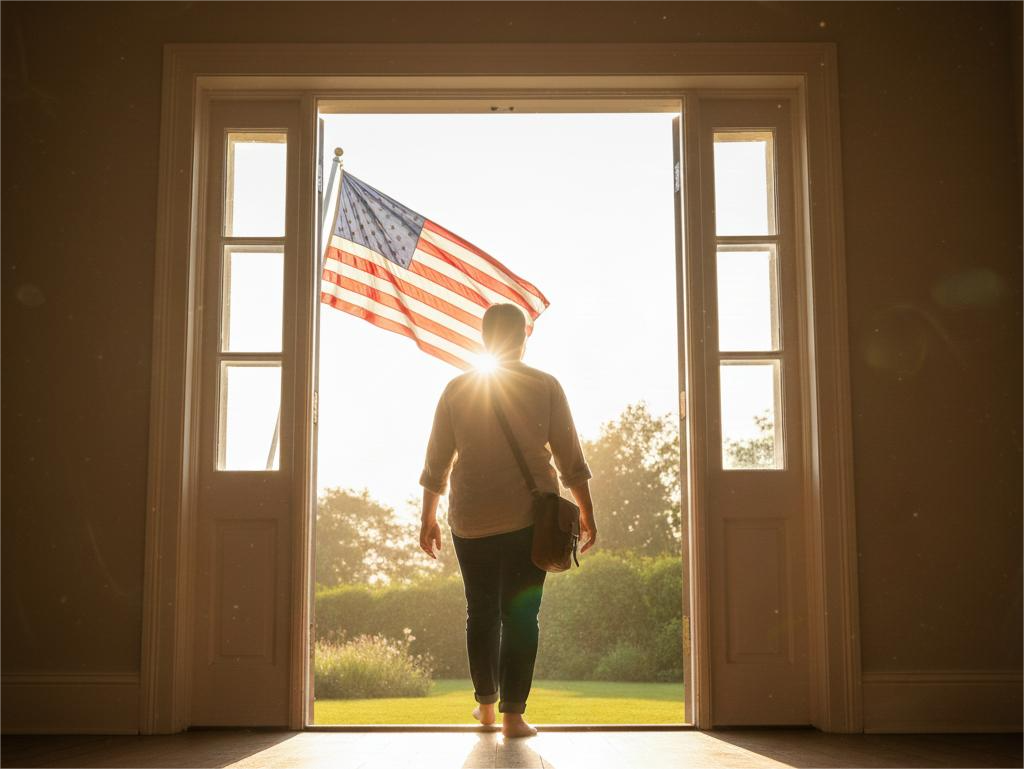
You don’t have to stay trapped in an abusive relationship because of immigration status. VAWA provides a confidential, abuser-independent pathway to lawful permanent residence in the United States.
Lightman Law delivers the clear-headed, creative immigration advocacy you need during this difficult time. Our multilingual attorneys have extensive experience with VAWA petitions and understand the unique challenges domestic violence survivors face in the immigration system.
We guide you through every step with honesty, respect, and unwavering commitment to your safety and legal future. Your immigration goals can become reality without your abuser’s knowledge, participation, or control.
Contact Lightman Law today to schedule a confidential consultation.
Don’t wait to take the first step toward legal status and freedom from abuse.
